

Australia Becomes the First Country in the World to Ban Social Media for Under-16s — What It Means, Why It’s Happening, and What Parents Must Know Before December 10th 2025
Remember When Kids Actually Played Outside?
Before smartphones… before TikTok… before reels, streaks, and infinite scrolling…
Kids talked to each other.
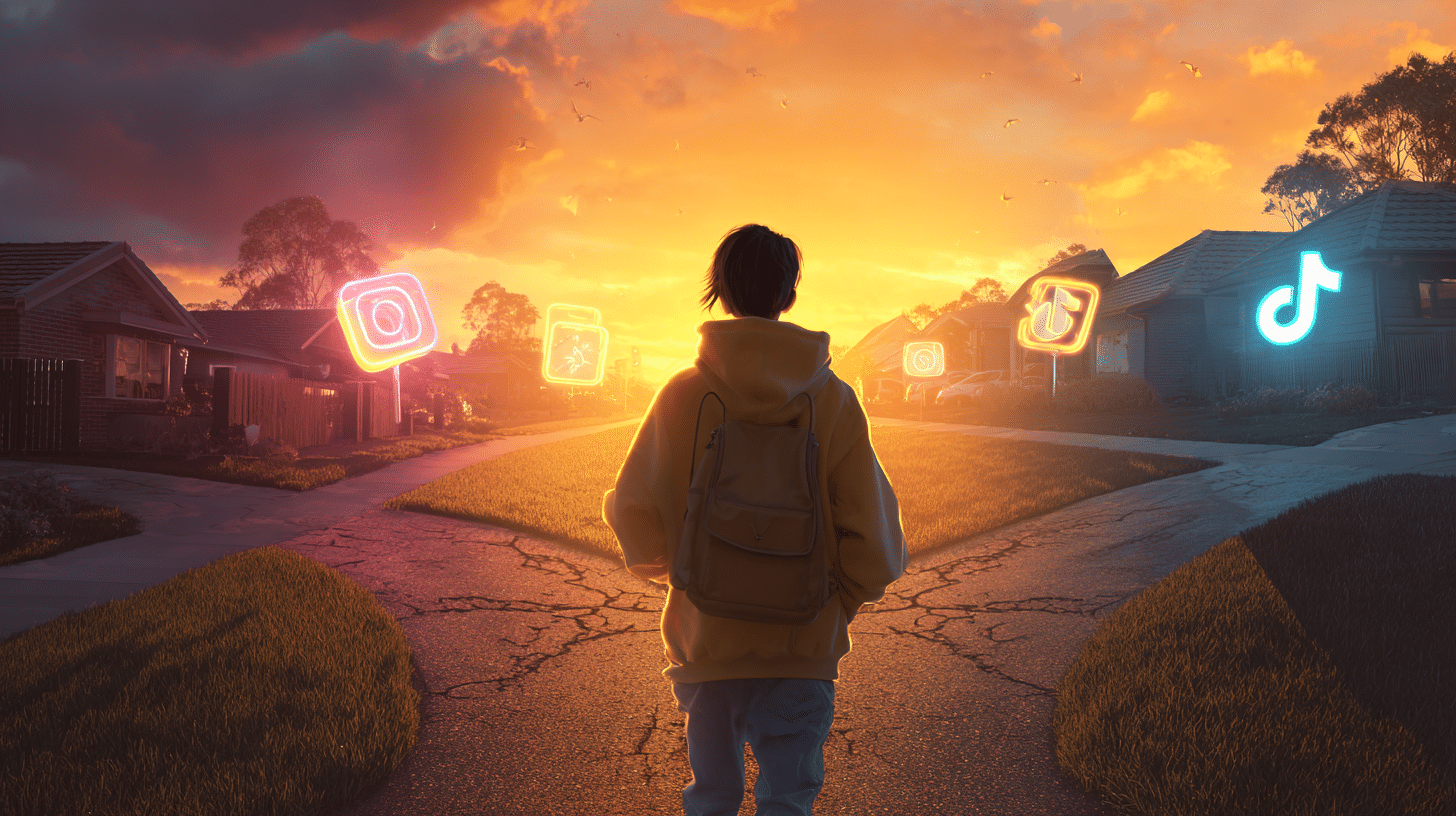
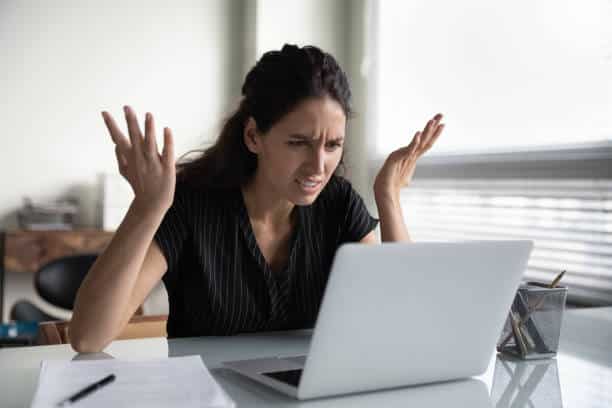
A symbolic scene showing the impact of social media
They rode bikes until the streetlights came on.
They knocked on their friend’s door and asked, “Wanna play?”
They formed real-world connections, learned social cues face-to-face, and got bored enough to build cubby houses, play backyard cricket, and invent entire universes with nothing but imagination.
Fast forward to today…
Modern childhood is often lived through screens, algorithms, notifications, and pressure to stay “connected” 24/7.
Instead of playground chatter, we hear pings, dings, and alerts.
Instead of building confidence, many kids are building curated personas, chasing likes, and absorbing adult content far too young.
Australia finally said: Enough.
And now, we’re the first country on the planet to take the bold step of blocking social media for under-16-year-olds.
This isn’t just a policy change—
It’s a national culture reset.
Let’s unpack it.
Why Australia Is Leading the World With This Ban
Australia is officially the first country globally to set a nationwide minimum age of 16 for social media accounts—with enforcement falling on the platforms themselves, not parents or kids.
Other countries have discussed it.
Some have trialled age-verification tools.
Some have attempted partial restrictions.
But Australia is the first to actually make it law and require platforms to block or remove under-16 accounts or face massive penalties.
This means:
No more underage Instagram accounts
No more 10-year-olds on Snapchat
No more 14-year-old YouTubers engaging as adults
No more secret TikTok accounts hidden from parents
A huge shift—bigger than most people realise.
And it starts December 2025.
Why the Ban? The Stats Don’t Lie
Here are the numbers driving this historic move:
Over 1 million Australian kids under 13 were already using social media despite age rules.
More than 90% of 13–15-year-olds use at least one major platform daily.
Kids report higher anxiety, sleep disruption, and body image issues linked to social media use.
Schools saw skyrocketing issues with cyberbullying, group chats, explicit content, and online conflicts moving into classrooms.
Parents feel overwhelmed, outpaced, and outnumbered by new apps and hidden features.
In short:
Kids weren’t coping.
Parents couldn’t keep up.
Platforms didn’t step in.
So the government finally did.
The Benefits: What This Ban Could Actually Fix
1. Better Sleep, Better Moods, Better School Focus
Kids staying up until midnight scrolling becomes a thing of the past.
Healthier brains.
Healthier routines.
2. Reduced Exposure to Adult Content
From inappropriate videos to harmful trends—this is a huge win.
3. Less Cyberbullying Pressure
No more overnight group-chat drama.
No more anonymous trolling.
4. Real Social Skills Come Back
Kids may rediscover what it’s like to interact face-to-face again.
5. Less Comparison Culture
No more constant measuring against influencers, filters, or unrealistic standards.
This could reshape childhood for the better.
The Downsides (Because Nothing Is Ever That Simple)
1. Teens Will Look for Workarounds
They’re smart.
They know VPNs.
They know burner accounts.
They know loophole apps.
2. They’re Already Shifting to New, Unregulated Platforms
As major platforms toughen age checks, kids are rapidly moving to:
lesser-known photo-sharing apps
small U.S.-based social platforms
niche short-video apps
private encrypted chat apps
gaming communities with social features
In other words:
The digital migration has already begun.
3. Some Teens Will Lose Genuine Positive Spaces
Many young people find support communities online—especially for hobbies, neurodiversity, and identity.
4. Parents Will Need Replacement Tools
You can’t block every app manually.
You can’t check every device daily.
That’s why the solution must shift from chasing apps to controlling the home network.
Two Stories That Hit Home
Story 1: The Year 8 Night Owl
Mia, 13, used to scroll TikTok until 1am every night—hidden under her doona.
Her parents were exhausted from fighting about screen time.
When her accounts suddenly locked due to the new rules, she jumped to a brand-new social app nobody had heard of yet.
Her parents then installed a parental-filter modem with internet bedtime schedules.
Within a week:
Mia was asleep by 9:30
She woke up calmer
Her grades improved
Her friendships stabilised
The fix wasn’t banning apps.
It was controlling internet time at the source.
Story 2: The Group Chat That Got Out of Control
A group of 12-year-olds had a “fun” private chat—
until it turned toxic, pressuring, and overwhelming.
When the ban kicked in, the chat disappeared.
Parents moved to:
SMS for essential communication
A sports team app for updates
A shared family device for safe browsing
The kids were relieved.
The parents were relieved.
The pressure was gone.
How Parents Can Stay Ahead (Without Playing App Whack-a-Mole)
Trying to block every app is impossible.
Kids switch platforms faster than you can Google them.
The answer is network-level control.
This is where The Original PC Doctor comes in.
We offer:
✅ Parental-filter modems
These control the entire home network—phones, tablets, consoles, TVs.
✅ Time-based internet access schedules
Set specific times:
Internet ON: homework hours
Internet OFF: bedtime
Weekend limits
Study-only modes
✅ Category filters
Block entire categories like:
adult content
social media
gaming sites
chatrooms
anonymous apps
✅ Hands-free monitoring
No chasing apps.
No arguments.
No guesswork.
Just peace of mind.
If you want help setting this up before the new laws kick in,
The Original PC Doctor can handle everything for you.
Final Thoughts
Australia is not just making history—
We’re starting a global conversation about what healthy childhood looks like in a digital age.
This ban won’t fix everything.
It won’t replace parenting.
It won’t stop every workaround.
But it will create a turning point.
A moment where families can hit reset.
A chance for kids to rediscover real play.
A moment for parents to regain confidence and control.
And with the right tools and guidance, this shift can be the best thing that’s happened to Australian families in a long, long time.
What Do YOU Think?
This topic has people fired up on all sides.
👉 Is the ban a good idea?
👉 Is it government overreach?
👉 Will it actually help your kids?
👉 Have you already noticed behaviour changes?
👇 Drop a comment below — your voice matters, and your story could help another parent.
Written by The Original PC Doctor on 03/12/2025